What the 1949 Mann Gulch Wildfire Can Teach Executives About Leadership
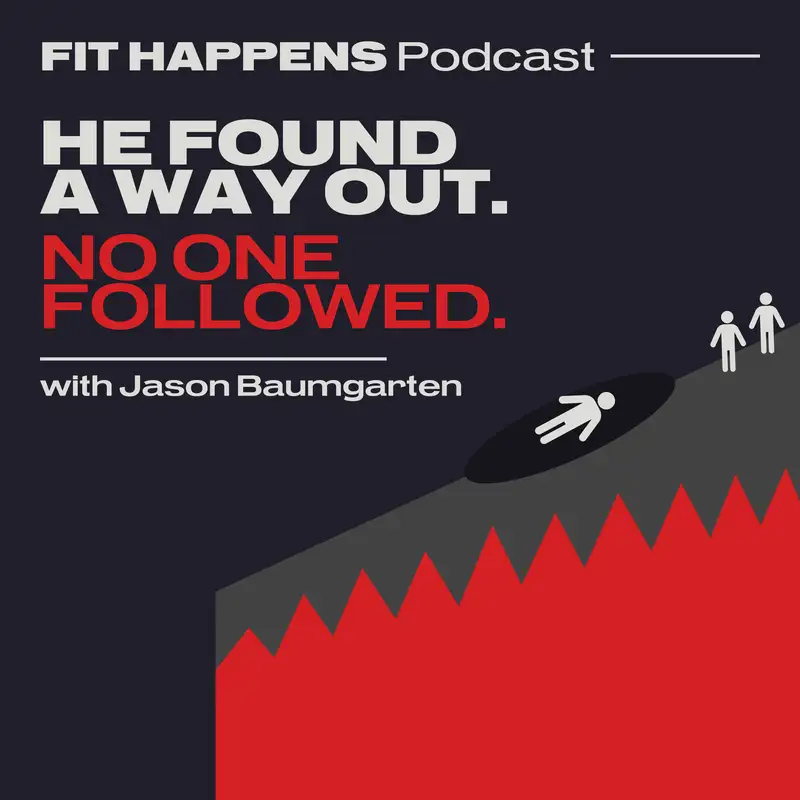
Why does experience in one crisis so often fail a leader in the next one? I open this episode with the story of the 1949 Mann Gulch wildfire, where foreman Wagner Dodge lit an escape fire to save his crew and nobody followed him. Thirteen men died. Forty five years later, at South Canyon, fourteen more firefighters died in strikingly similar circumstances, and I use both disasters to ask a question that matters far beyond wildland fire: why is it so hard to drop the tool that once made you successful?
This episode is about what boards, investors, and leaders actually mean when they call someone crisis tested, and why that label hides more than it reveals. Executive search firms and boards often reach for that phrase as shorthand for readiness, but tested by what? A cash crisis, a collapse in employee trust, a global epidemic, these are not the same leadership assignment, even though they get filed under the same word. I walk through research on extreme context, threat rigidity, and the "romance of leadership" to show why a leader's past crisis performance may not transfer to the next one, and why executive search consultant work in this area demands more than a good war story.
I also get into the identity problem underneath all of this. Wagner Dodge's crew held onto their tools because those tools were part of who they were as firefighters. The same thing happens in the boardroom. The operator who cuts costs, the founder who ships fast, the consensus builder who brings everyone along, each of them can get trapped by the very strength that made them valuable, right when the situation calls for something else entirely. I share a hypothetical example of a CFO who saves one company with a small, tightly controlled decision team, then reaches for that same tool at her next company when the actual problem is a trust crisis, and it makes things worse.
Toward the end, I give you a practical framework for interviewing crisis leaders (and for auditing your own current decisions): ask not just what they did, but what they misunderstood at first, what evidence changed their mind, and whether they built resilience into the people around them or just personally carried the whole thing. I close with a 24 hour challenge you can run on a decision you're committed to right now.
Key takeaways:
- The label "crisis tested" is meaningless without specifying which crisis, since different threats require entirely different leadership skills
- Sean Hanna's extreme context framework and Boris Groisberg's research on star analysts both suggest that past performance under pressure does not automatically transfer to a new context or team
- Wildland firefighting research from Michelle Barton and Kathleen Sutcliffe found that noticing a warning sign isn't enough, voicing concerns and seeking other perspectives is what actually helps people change course
- Threat rigidity, first described by Barry Staw and colleagues, shows how pressure narrows information processing and concentrates control, often at the exact moment more perspectives are needed
- A leader's greatest strength can become the tool they can't put down, whether that's speed, consensus building, or a tightly controlled decision process
- The best interview question for a candidate who claims crisis experience is not about the win, it's about what they misunderstood at first and how they changed course
- Boards can unintentionally teach leaders to conceal uncertainty by demanding total confidence instead of candor
Connect with Jason: https://www.linkedin.com/in/jasonbaumgarten/
Email the show here: jason@fithappens.fm
00:00 The Mann Gulch fire and the escape fire nobody followed
02:16 What does crisis tested actually mean
03:38 Sean Hanna's framework for extreme context
04:01 Boris Groisberg's research on star analysts changing firms
05:41 The difference between a problem getting worse and a problem changing entirely
07:08 What happens when people can no longer agree on what is happening
08:26 Making your explanation impossible to challenge
08:53 When intuitive expertise deserves your trust
10:06 Why firefighters cling to their tools as identity
11:30 Threat rigidity and narrowing information under pressure
12:16 Ranjay Gulati's research on companies that flourished after recessions
14:02 Separating who decides from who contributes information
16:00 The board's responsibility in rewarding candor
16:19 The romance of leadership and how we rate charismatic leaders
18:05 A hypothetical CFO and the tool that stopped working
21:00 What to actually ask a candidate about their crisis experience
22:36 Your 24 hour drop test challenge
Email the show here: jason@fithappens.fm
00:00 The Mann Gulch fire and the escape fire nobody followed
02:16 What does crisis tested actually mean
03:38 Sean Hanna's framework for extreme context
04:01 Boris Groisberg's research on star analysts changing firms
05:41 The difference between a problem getting worse and a problem changing entirely
07:08 What happens when people can no longer agree on what is happening
08:26 Making your explanation impossible to challenge
08:53 When intuitive expertise deserves your trust
10:06 Why firefighters cling to their tools as identity
11:30 Threat rigidity and narrowing information under pressure
12:16 Ranjay Gulati's research on companies that flourished after recessions
14:02 Separating who decides from who contributes information
16:00 The board's responsibility in rewarding candor
16:19 The romance of leadership and how we rate charismatic leaders
18:05 A hypothetical CFO and the tool that stopped working
21:00 What to actually ask a candidate about their crisis experience
22:36 Your 24 hour drop test challenge