The Hidden Science Of Leadership Potential (And Why Most Companies Get It Wrong)
Are you actually spotting leadership potential, or just rewarding polish and confidence?
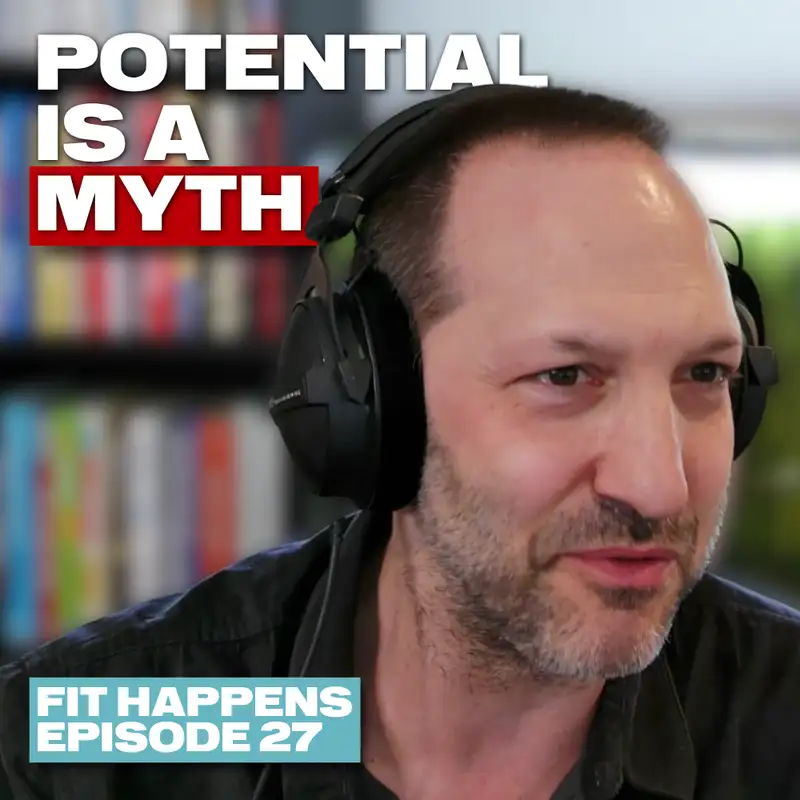
In this solo episode, I break down the most overused word in succession planning: potential. Every talent review, every nine box grid, every slate has it, and almost nobody defines it the same way. I walk through research on how companies actually measure potential (hint: it's mostly just past performance in disguise), and why that approach quietly filters out some of your best future leaders while promoting people who eventually derail.
I get into the four components of learning agility, the strongest research backed predictor of leadership potential, and why it matters more than how someone performs at a job they already know how to do. I also share a personal story from early in my career about a candidate who nearly didn't get the job because he wasn't polished in the interview, and what a reference call taught me about how wrong my first impression was.
This episode is for anyone involved in CEO coaching, executive coaching and leadership development, or succession planning, whether you sit on a board, run a talent review, or you're simply trying to understand your own leadership fit. I also give you a practical tool, the first time test, that you can use in your next interview or reference call to actually find the signal that matters.
Key takeaways:
- Most organizations define potential as being impressive right now, which is backwards. Potential is supposed to predict something you haven't seen yet.
- Only 1 in 10 companies studied actually measured how someone handles ambiguity, even though ambiguity defines most senior roles.
- More than 40% of people on high potential lists often don't belong there, and the research shows this shows up across decades of leadership data.
- Learning agility, the strongest predictor of leadership potential, has four parts: mental agility, people agility, change agility, and results agility.
- People high in learning agility tend to underrate themselves, while people low in learning agility tend to overrate themselves, which skews interviews toward the wrong candidate.
- Leaders who greatly overstate their own abilities are six times more likely to be a derailment risk.
- Between 30 and 50 percent of high potential managers and executives eventually derail, and many leave involuntarily within five years.
- The first time test asks candidates and references about the first time someone did something they'd never done before, not how good their results were.
- Similarity bias leads boards and companies to pick successors who look like the current leader, which can reinforce the same blind spots in leadership fit and hiring a CEO decisions.
FitHappens is hosted by Jason Baumgarten, Former Head of the Global CEO and Board Practice at Spencer Stuart. The show covers CEO succession, hiring a CEO, board of directors dynamics and governance and leadership fit and performance. New episodes every week at fithappens.fm.
Connect with Jason: https://www.linkedin.com/in/jasonbaumgarten/
Email the show here: jason@fithappens.fm
Email the show here: jason@fithappens.fm
00:00 Two finalists, one big question
01:34 What potential actually means
02:40 Why companies can't agree on the definition
03:37 Only 1 in 10 measure ambiguity
04:09 Same person, opposite verdicts at two companies
05:01 Over 40% don't belong on the list
05:37 35 years of research on leadership potential
06:21 Learning agility defined
06:39 Mental agility
07:03 People agility
07:25 Change agility
07:44 Results agility
08:15 Why confident people are riskier bets
09:26 What the Center for Creative Leadership found
10:03 Why interviews hide the real signal
11:03 The quiet candidate's answer
12:05 Back to the two finalists
13:11 A reference call that changed my habits
15:22 Confidence, competence and gender
16:22 The first time test
19:32 What to ask on reference calls
21:14 A question to ask yourself
21:45 The real cost of getting potential wrong
22:57 Similarity bias in succession planning
23:37 Homework for managers
01:34 What potential actually means
02:40 Why companies can't agree on the definition
03:37 Only 1 in 10 measure ambiguity
04:09 Same person, opposite verdicts at two companies
05:01 Over 40% don't belong on the list
05:37 35 years of research on leadership potential
06:21 Learning agility defined
06:39 Mental agility
07:03 People agility
07:25 Change agility
07:44 Results agility
08:15 Why confident people are riskier bets
09:26 What the Center for Creative Leadership found
10:03 Why interviews hide the real signal
11:03 The quiet candidate's answer
12:05 Back to the two finalists
13:11 A reference call that changed my habits
15:22 Confidence, competence and gender
16:22 The first time test
19:32 What to ask on reference calls
21:14 A question to ask yourself
21:45 The real cost of getting potential wrong
22:57 Similarity bias in succession planning
23:37 Homework for managers